
7 Signs Your Boiler Needs Maintenance Before Winter
Massachusetts winters can be unpredictable, but one thing you don’t want to leave to chance is your heating system.
After sitting mostly unused through the warmer months, your boiler may have developed issues that aren’t obvious until you turn the heat back on. And the last time you want to discover there’s a problem is on the first freezing night of the season.
The good news is that boilers often give you warning signs before they stop working altogether. Knowing what to look for can help you catch a problem early, avoid an unexpected no-heat situation, and make sure your system is ready when temperatures start to drop.
Here are seven signs your boiler may need some maintenance before winter arrives.
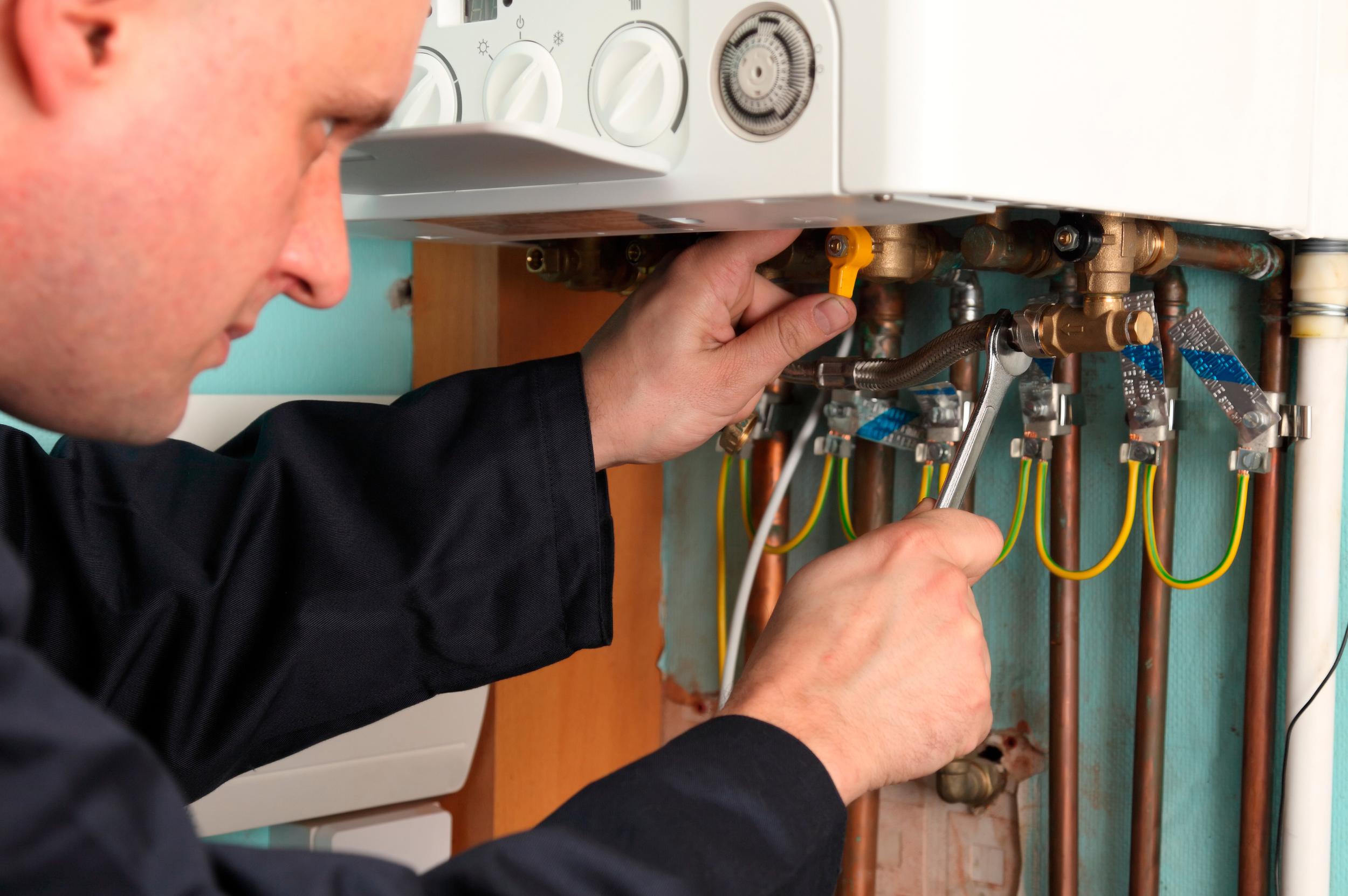
A little boiler maintenance before winter can help catch potential problems before you’re relying on your heat every day.
1. Your Boiler Is Making Unusual Noises
Boilers aren’t completely silent, but you probably have a pretty good idea of what yours normally sounds like.
If you suddenly hear banging, knocking, whistling, gurgling, or other unfamiliar noises, don’t ignore them. Unusual sounds can have several causes, including trapped air, circulation problems, mineral buildup, or issues with components inside the system.
A new noise doesn’t necessarily mean you need a new boiler, but it’s worth having it checked before heating season is in full swing.

Banging, knocking, whistling, or gurgling sounds can be an early sign that your boiler needs attention.
2. Some Rooms Aren’t Heating Like They Used To
If one part of your house feels comfortable while another stays noticeably colder, your boiler or heating system may not be distributing heat properly.
Uneven heating can be caused by several things, from circulation and zone issues to problems with thermostats, valves, or other components.
If you spent last winter constantly adjusting the thermostat or wondering why one room never seemed to warm up, now is a good time to find out why.

Cold spots and uneven temperatures can signal that your heating system isn’t circulating or distributing heat properly.
3. You Notice Water Around Your Boiler
Water around a boiler should never be ignored.
Even a small amount of moisture can indicate a leak somewhere in the boiler, piping, valves, or connections. What starts as a minor leak can potentially lead to water damage or a larger heating-system problem if left unaddressed.
If you notice dripping, pooling water, corrosion, or signs of previous moisture around the system, have it inspected.

Even a small amount of water around your boiler can point to a leak that’s worth addressing before it becomes a bigger problem.
4. Your Boiler Has Trouble Starting or Staying On
A boiler that takes several attempts to start, frequently shuts itself off, or doesn’t consistently respond to the thermostat is telling you something isn’t right.
There are several possible reasons for this, and guessing at the problem isn’t the answer. A professional can troubleshoot the system and determine what’s actually causing the issue.
Addressing it now is a lot better than discovering the boiler won’t turn on at all when you really need it.
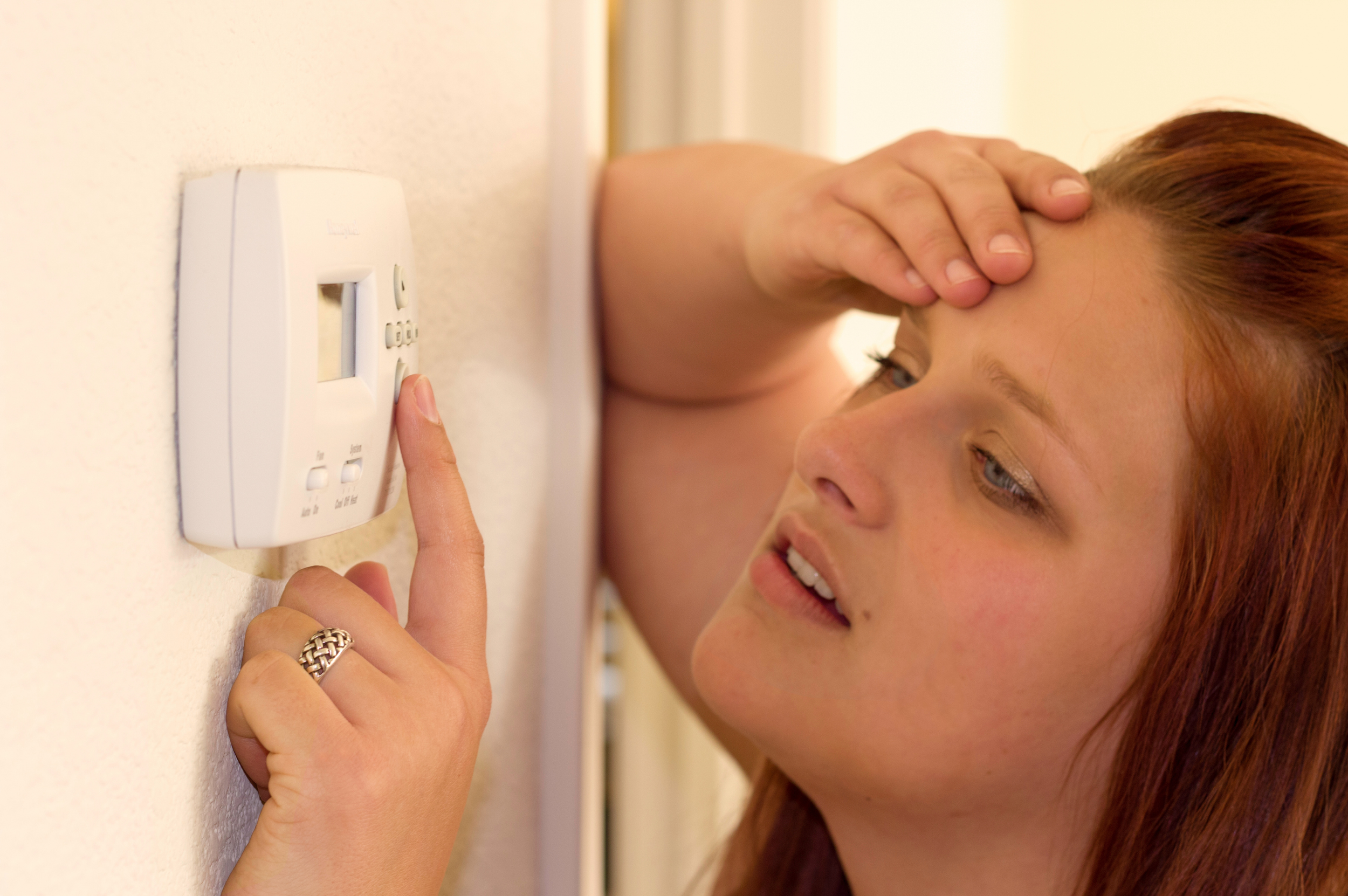
A boiler that struggles to start or frequently shuts off may be warning you about a problem before it stops working altogether.
5. Your Energy Bills Have Been Creeping Up
Higher heating bills don’t automatically mean your boiler is failing. Energy prices, weather, insulation, and changes in how you use your home can all affect your bill.
But if your heating costs have increased noticeably without an obvious explanation, an inefficient boiler or heating-system problem could be contributing.
Older equipment may also have to work harder to maintain the same temperature, particularly as components begin to wear.

An unexplained increase in heating costs could be a sign that your boiler is working harder than it should to heat your home.
6. You’re Calling for Boiler Repairs More Often
An occasional repair doesn’t necessarily mean it’s time to replace your boiler.
But if you’ve reached the point where you’re scheduling repairs every heating season, replacing one component after another, or constantly wondering what will go wrong next, it’s worth looking at the bigger picture.
The age and overall condition of the boiler, cost of the necessary repairs, efficiency of the system, and availability of replacement parts can all help determine whether another repair makes sense or whether replacement may be the better long-term investment.
A good plumber should be able to explain both options and help you make an informed decision without pressuring you into replacing equipment unnecessarily.
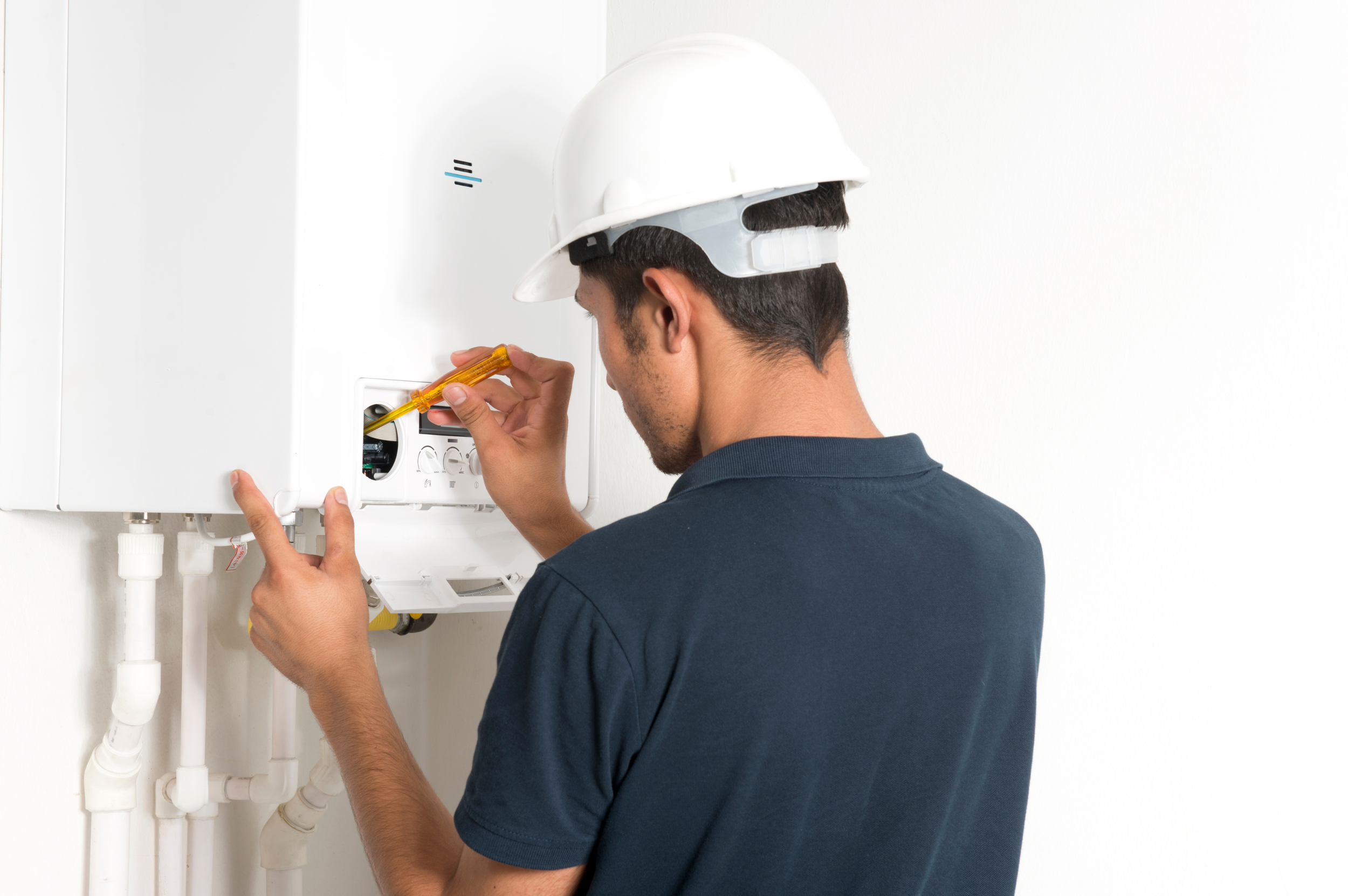
If boiler repairs are becoming a regular occurrence, it may be time to weigh the cost of another repair against replacement.
7. Your Boiler Is Getting Older
Even a boiler that seems to be working fine deserves a little more attention as it gets older.
The expected lifespan of a boiler varies considerably depending on the type of system, installation, maintenance history, water quality, and how heavily it’s been used. Age alone isn’t a reason to replace one.
But if you have an older boiler, having it evaluated before winter can give you a better understanding of its condition and help you plan ahead instead of being forced into a decision during an emergency.
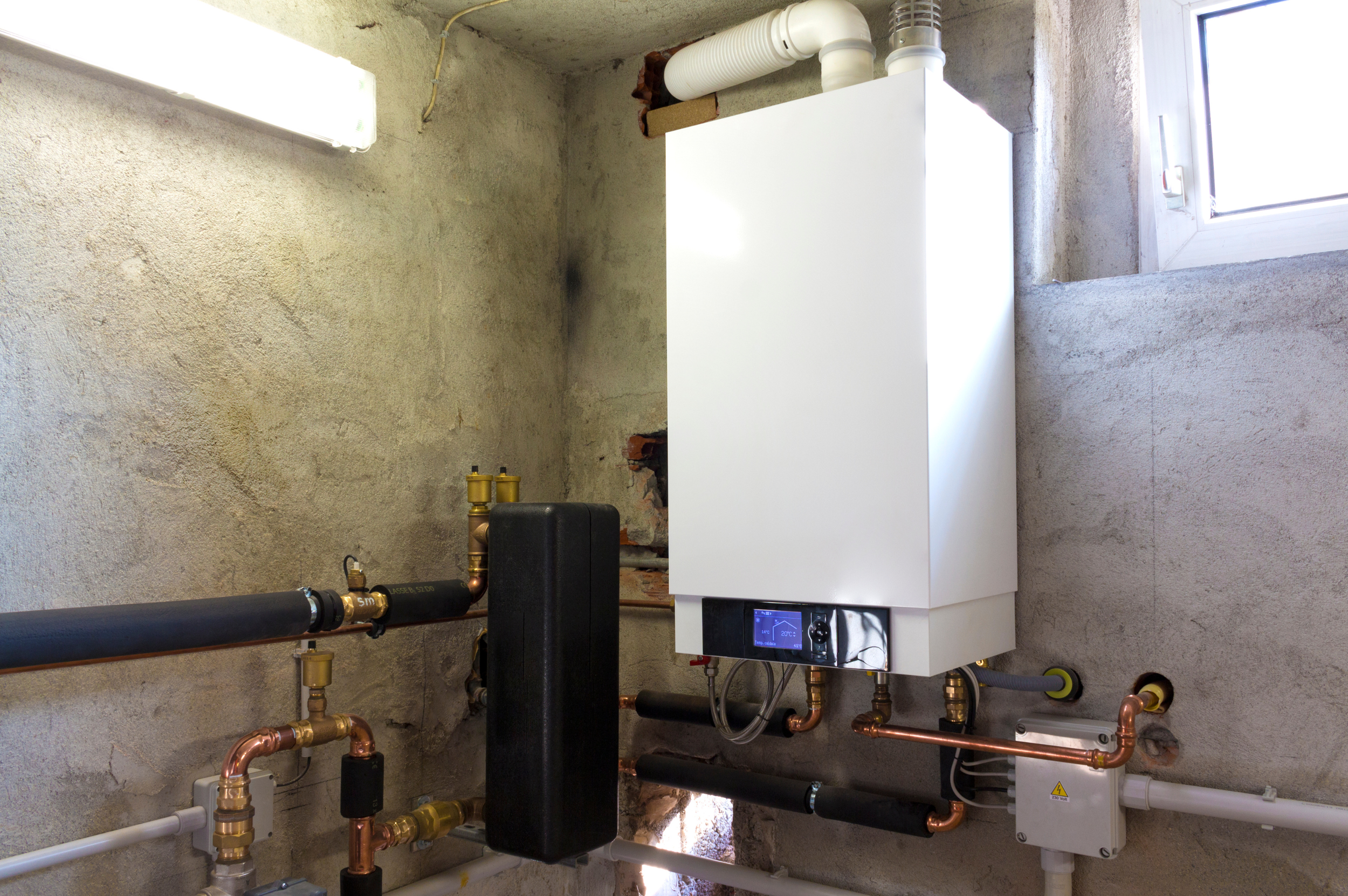
An older boiler doesn’t automatically need to be replaced, but a pre-winter inspection can help you understand its condition and plan ahead.
When Should You Call a Plumber About Your Boiler?
You don’t necessarily need to wait until your boiler stops working completely to have it checked.
Consider scheduling service if you notice:
Unusual banging, knocking, whistling, or gurgling sounds
Water leaking or pooling around the boiler
Rooms that aren’t heating evenly
A boiler that frequently shuts off or has trouble starting
Heating bills that have increased without an obvious explanation
Frequent repairs or recurring problems
An older boiler that hasn’t been evaluated recently
Addressing potential problems before winter can give you more time to understand what’s happening and decide how you want to handle it before you’re dealing with a no-heat emergency.
Why a Pre-Winter Boiler Check Matters in Massachusetts
One of the best times to address a potential boiler problem is before you actually need your heat every day.
If something didn’t seem quite right last winter, your boiler has been making unfamiliar noises, you’ve noticed a leak, or you simply want to know whether an aging system is ready for another Massachusetts winter, getting it checked early gives you time to understand your options.
And if there is a problem, taking care of it before temperatures drop can help you avoid scrambling for help during the first freezing night of the season.
Need Help With Your Boiler?
Mass Pike Plumbing & Heating provides boiler troubleshooting, repair, installation, and replacement throughout Worcester, Middlesex, and Suffolk counties.
We take the time to figure out what’s actually happening with your system, explain what we find in plain language, and give you straightforward options for moving forward.
If a repair makes sense, we’ll tell you. If it’s time to start thinking about replacement, we’ll explain why.
Have questions about your boiler or heating system? Contact Mass Pike Plumbing & Heating to schedule service before winter arrives.
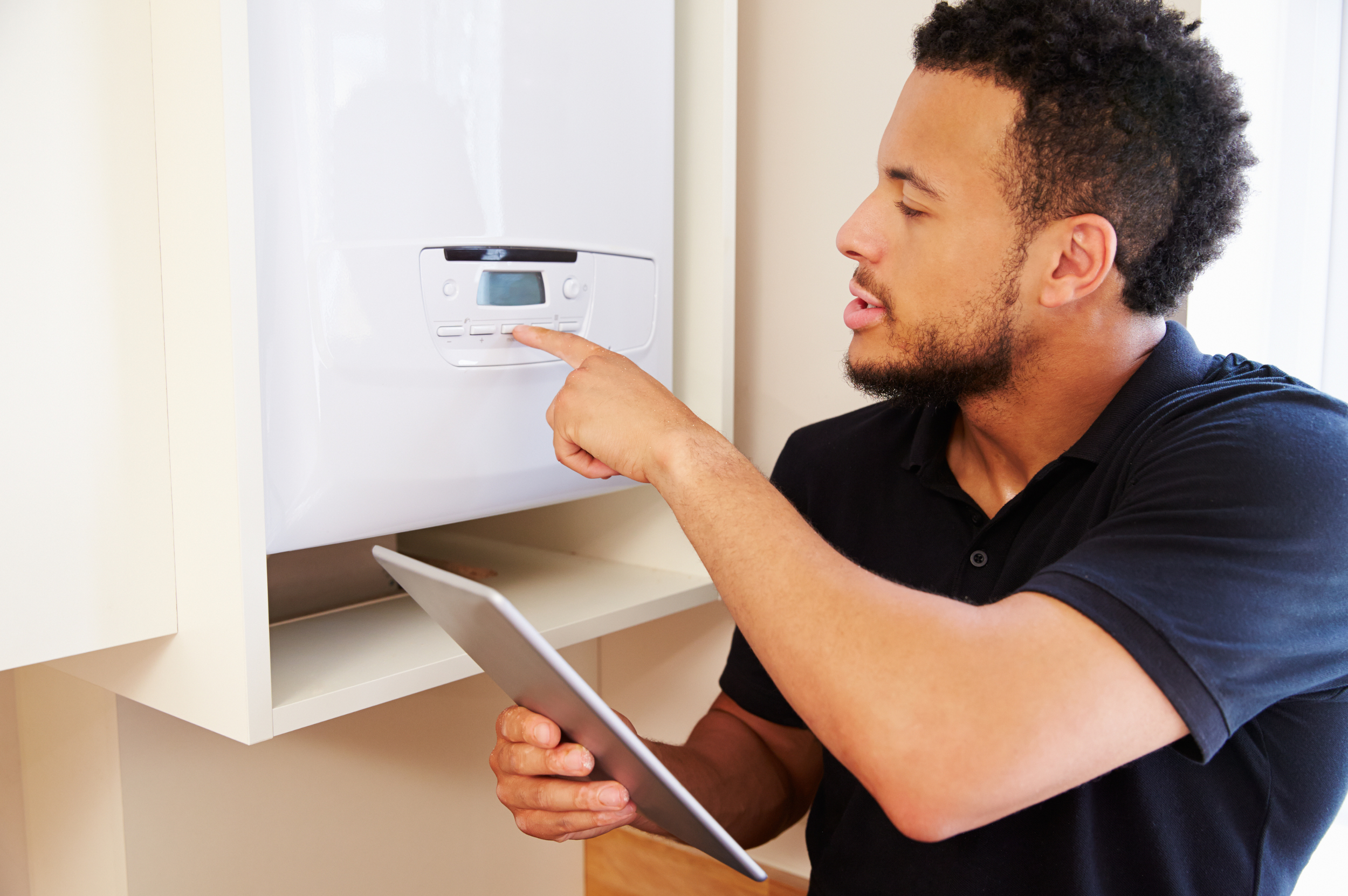
A pre-season check can give you time to address problems with your boiler before temperatures drop.
Frequently Asked Questions
How do I know if my boiler needs repair?
Common warning signs include unusual noises, leaks, uneven heating, trouble starting, frequent shutoffs, or changes in how well your home is heating. If your boiler starts behaving differently than it normally does, having it inspected can help identify the cause.
Should I have my boiler checked before winter?
If you noticed problems last heating season, have an older boiler, or haven’t had the system looked at recently, before winter is a good time to have it checked. Addressing issues early can help reduce the chance of an unexpected breakdown when temperatures drop.
Does an old boiler automatically need to be replaced?
No. Age is only one factor when deciding whether to repair or replace a boiler. The condition of the system, repair history, efficiency, cost of repairs, and availability of replacement parts should all be considered.
Why is my boiler making banging or knocking noises?
Boiler noises can have several causes, including trapped air, circulation problems, mineral buildup, or issues with system components. Because the cause can vary, unfamiliar or persistent noises are worth having professionally evaluated.
Is water around my boiler an emergency?
Any water around your boiler should be investigated. A small leak may come from piping, valves, connections, or the boiler itself and can become a larger problem if it’s left unaddressed.
Important Note
This article is intended as general information for Massachusetts property owners. Boiler and heating-system issues can vary depending on the type of equipment, installation, age, and condition of the system.
If you suspect a problem with your boiler, have the system evaluated by a qualified professional rather than attempting repairs yourself.
