
5 Plumbing Leaks That Could Be Raising Your Water Bill
Many homeowners assume a high water bill is simply the result of increased usage. While seasonal changes, landscaping, or additional household activity can sometimes explain a spike, hidden plumbing leaks are often the real cause.
Even small leaks can waste a surprising amount of water over time. In fact, some of the most common household leaks occur in places that are easy to overlook.
If your water bill has been creeping up without a clear explanation, here are five plumbing leaks that could be quietly increasing your water usage and monthly costs.
How Much Water Can a Small Leak Waste?
Even minor leaks can add up quickly, often in ways that aren’t immediately noticeable.
A dripping faucet can waste 3,000+ gallons per year, which is enough to significantly impact your annual water costs
A running toilet can waste up to 200 gallons per day, quietly increasing your bill with every passing hour
A small hidden pipe leak can continuously use water behind walls or under floors without any visible signs
These types of leaks are typically slow and consistent, making them easy to overlook until your water bill starts to rise.
Over time, what seems like a small issue can quietly cost you hundreds of dollars, not to mention the potential for water damage if the problem worsens.
What Your Water Bill Might Be Telling You
Your water bill can offer important clues about what’s happening behind the scenes in your plumbing system.
If you notice your bill increasing, here are a few patterns to pay attention to:
A steady increase month over month → this may point to a slow, ongoing leak that’s gradually wasting water over time
A sudden spike → this could indicate a fixture failure, such as a running toilet, burst hose, or more significant pipe issue
Higher usage with no lifestyle changes → if your daily habits haven’t changed, a hidden leak is often the most likely explanation
It’s also helpful to compare your current bill to previous months or the same time last year to spot unusual trends.
In many cases, your water bill is the first sign that something isn’t working properly. Paying attention to these changes early can help you catch small issues before they turn into larger, more expensive problems.
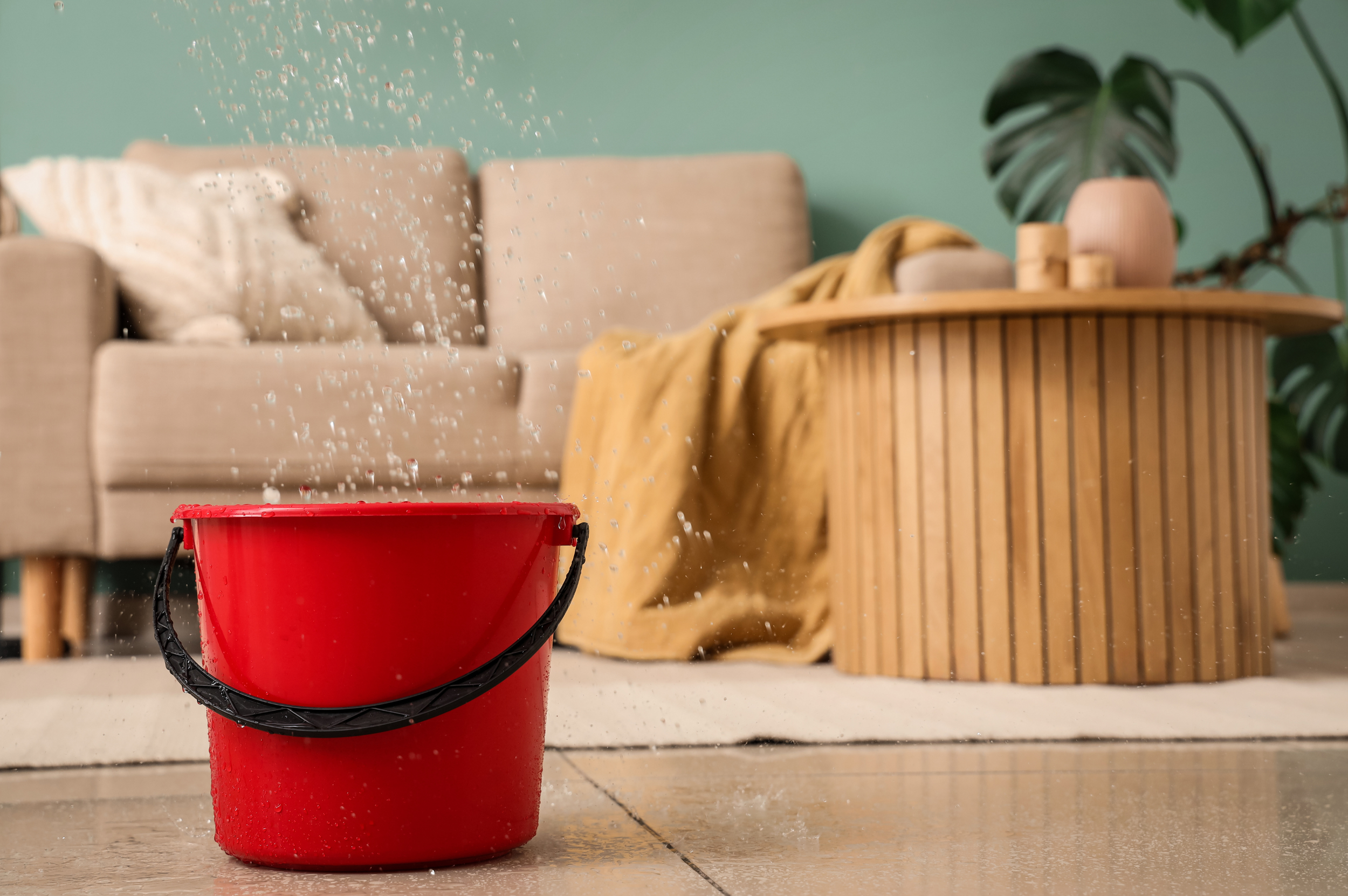
Hidden plumbing leaks can quietly increase your water bill and cause damage over time.
1. Silent Toilet Leaks
Toilets are one of the most common sources of hidden water waste in homes and businesses. Because the leak typically occurs inside the tank, it can go unnoticed for long periods of time.
In many cases, you won’t hear running water or see anything obvious. Instead, water slowly and continuously moves from the tank into the bowl, causing your toilet to refill more often than it should.
This is often due to worn or aging internal components. A deteriorating flapper, faulty fill valve, or misaligned float can prevent the tank from sealing properly, allowing water to leak through without you realizing it.
Over time, even a small, steady leak can waste a significant amount of water and lead to a noticeable increase in your monthly bill.
How to check for a toilet leak:
Add a few drops of food coloring to the toilet tank
Wait 10 to 15 minutes without flushing
If color appears in the bowl, the toilet is leaking
This simple test can help confirm whether water is escaping from the tank when it shouldn’t be.
In many cases, replacing internal components like the flapper or adjusting the fill valve is a relatively quick and inexpensive fix. If the issue persists or you’re unsure what’s causing it, having a professional take a closer look can help ensure everything is functioning properly.
A simple food coloring test can help detect silent toilet leaks that may waste water over time.
2. Dripping Faucets
A dripping faucet may seem like a small annoyance, but even a slow, steady drip can waste a surprising amount of water over time. What feels minor day to day can quietly add up and impact your monthly water bill.
In many cases, faucet leaks develop gradually as internal components wear down. Washers, seals, and cartridges are all subject to regular use, and over time they can become loose, cracked, or misaligned, allowing water to escape when the faucet is turned off.
Faucet leaks don’t always show up as a constant drip from the spout. Sometimes the signs are more subtle and easy to overlook.
Signs of a faucet leak:
A steady drip from the spout
Water pooling around the base of the faucet
Mineral buildup around handles or connections
A slight decrease in water pressure or inconsistent flow
In addition to wasting water, ongoing leaks can contribute to buildup, corrosion, and wear on the fixture itself, potentially shortening its lifespan.
Addressing a drip early is usually a straightforward fix and can help prevent both water waste and more extensive damage. Replacing a worn component or tightening connections may resolve the issue, but if the source of the leak isn’t clear, a professional inspection can help ensure the problem is fully addressed.
Even a slow drip from a faucet can waste water and increase your utility bill.
3. Leaking Washing Machine Hoses
Washing machine supply hoses carry water under constant pressure every time the machine is in use. Over time, especially with standard rubber hoses, this pressure can cause the material to weaken, crack, or develop small leaks.
Because these hoses are typically located behind the appliance, problems can go unnoticed until there’s visible water damage or a more significant leak occurs.
In many cases, these issues start small. A slow leak or weakened section of hose may not be obvious at first, but it can gradually worsen and lead to water pooling, damage to flooring, or even sudden hose failure.
What to look for:
Bulging hoses
Cracks or brittleness in the rubber
Rust or corrosion around hose fittings
Moisture or dampness behind or around the machine
It’s also a good idea to check connections to ensure they’re secure and not loosening over time.
Many homeowners choose to replace standard rubber hoses with stainless steel braided hoses, which tend to be more durable and better equipped to handle long-term water pressure.
Taking a few minutes to inspect these hoses periodically can help prevent unexpected leaks and reduce the risk of more serious water damage.
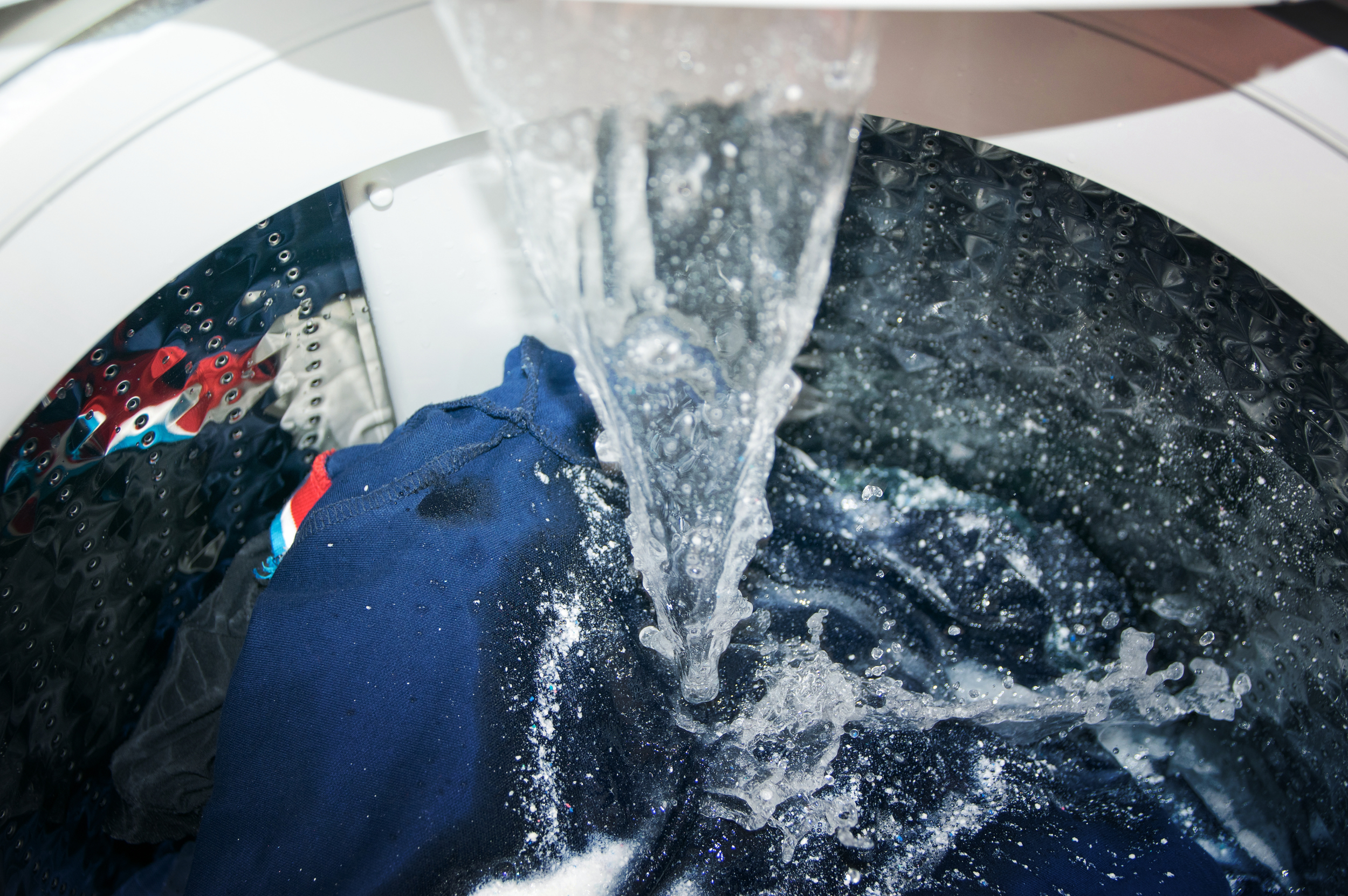
Damaged washing machine hoses can leak slowly and increase water usage.
4. Leaks Around Water Heaters
Water heaters can develop leaks around fittings, valves, or even the tank itself as they age. Over time, normal wear and tear, sediment buildup, and pressure changes can put stress on different parts of the system, increasing the likelihood of leaks.
Water heaters are often located in basements, closets, or utility rooms, which makes small leaks easy to miss at first. What starts as minor moisture can gradually lead to damage to surrounding flooring, walls, or stored items.
In some cases, leaks come from connections such as the inlet and outlet pipes or the pressure relief valve. In others, a leak from the tank itself may indicate internal corrosion, which can be a sign that the unit is nearing the end of its lifespan.
Warning signs:
Water pooling near the base of the unit
Rust or corrosion on fittings or connections
Damp or warped flooring nearby
Inconsistent or fluctuating hot water
Unusual sounds, such as popping or rumbling, which can be related to sediment buildup
Even a small amount of water around the unit is worth paying attention to. Water heaters operate under pressure and heat, so minor issues can escalate over time if not addressed.
Catching these signs early can help prevent more costly repairs, unexpected breakdowns, or the need for a full replacement. If you notice any of these symptoms, having the system inspected can help determine the cause and the best next steps.
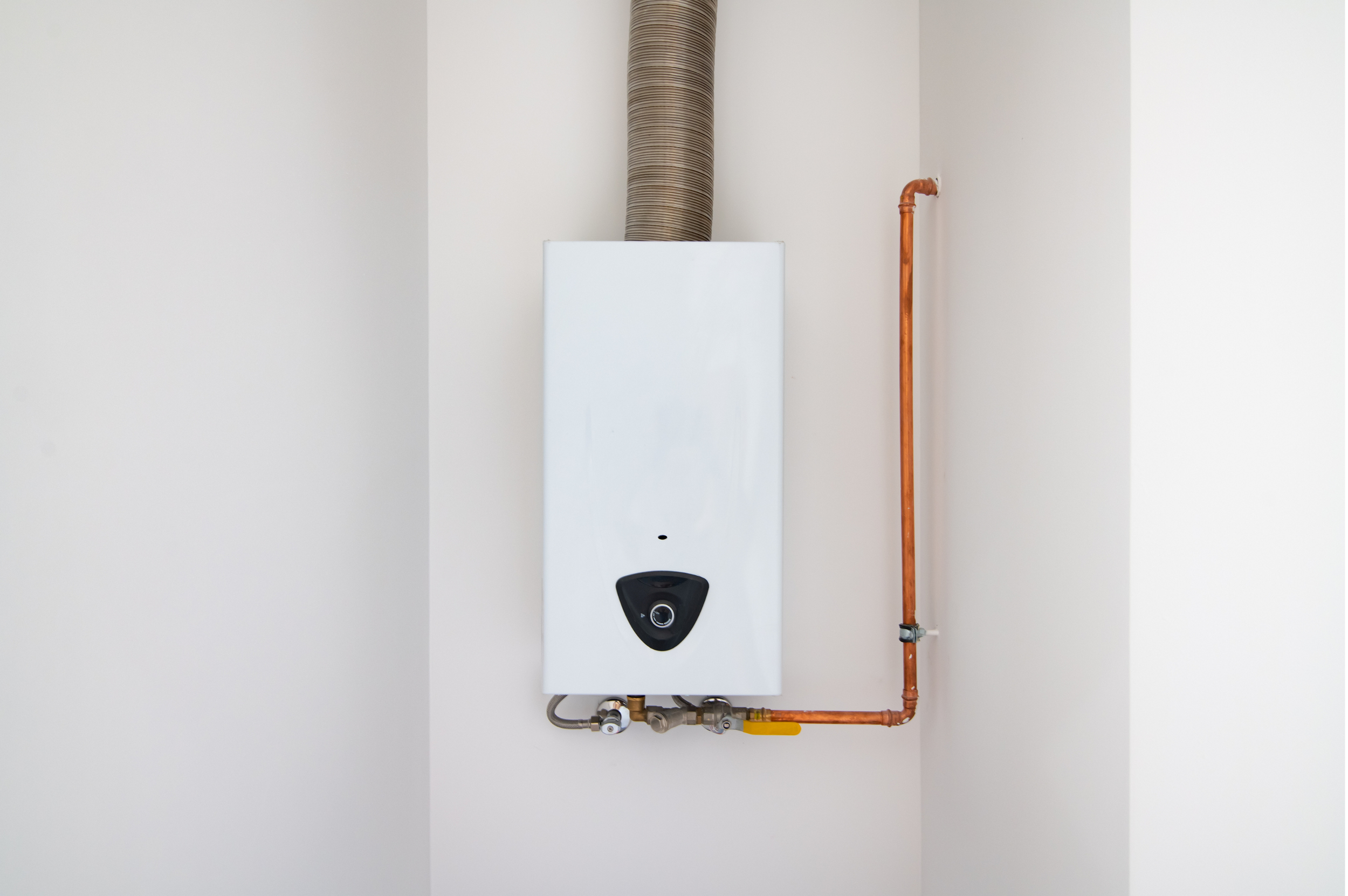
Small leaks around water heaters can go unnoticed and contribute to higher water usage.
5. Hidden Pipe Leaks
Some of the most damaging leaks occur inside walls, ceilings, or under floors, making them difficult to detect right away. Unlike visible leaks, these issues can develop slowly and remain hidden until noticeable signs start to appear.
Over time, even a small pipe leak can lead to significant water waste, damage to building materials, and potential structural concerns. Moisture trapped behind walls or beneath flooring can also create an environment where mold and mildew develop, which can impact both the property and indoor air quality.
Since these leaks aren’t always visible, early warning signs tend to show up in indirect ways.
Signs of a hidden leak:
Unexplained increases in your water bill
Musty or damp odors that don’t go away
Water stains, discoloration, or bubbling paint on walls or ceilings
Reduced water pressure or inconsistent flow
You may also notice subtle changes such as warped flooring, soft spots underfoot, or areas that feel unusually damp.
When these symptoms appear without a clear explanation, it’s often a sign that water is escaping somewhere within the plumbing system. Identifying the exact source can be challenging without the right tools and experience.
In these situations, a professional inspection can help locate the leak, assess any damage, and determine the most effective way to address the issue before it becomes more extensive.
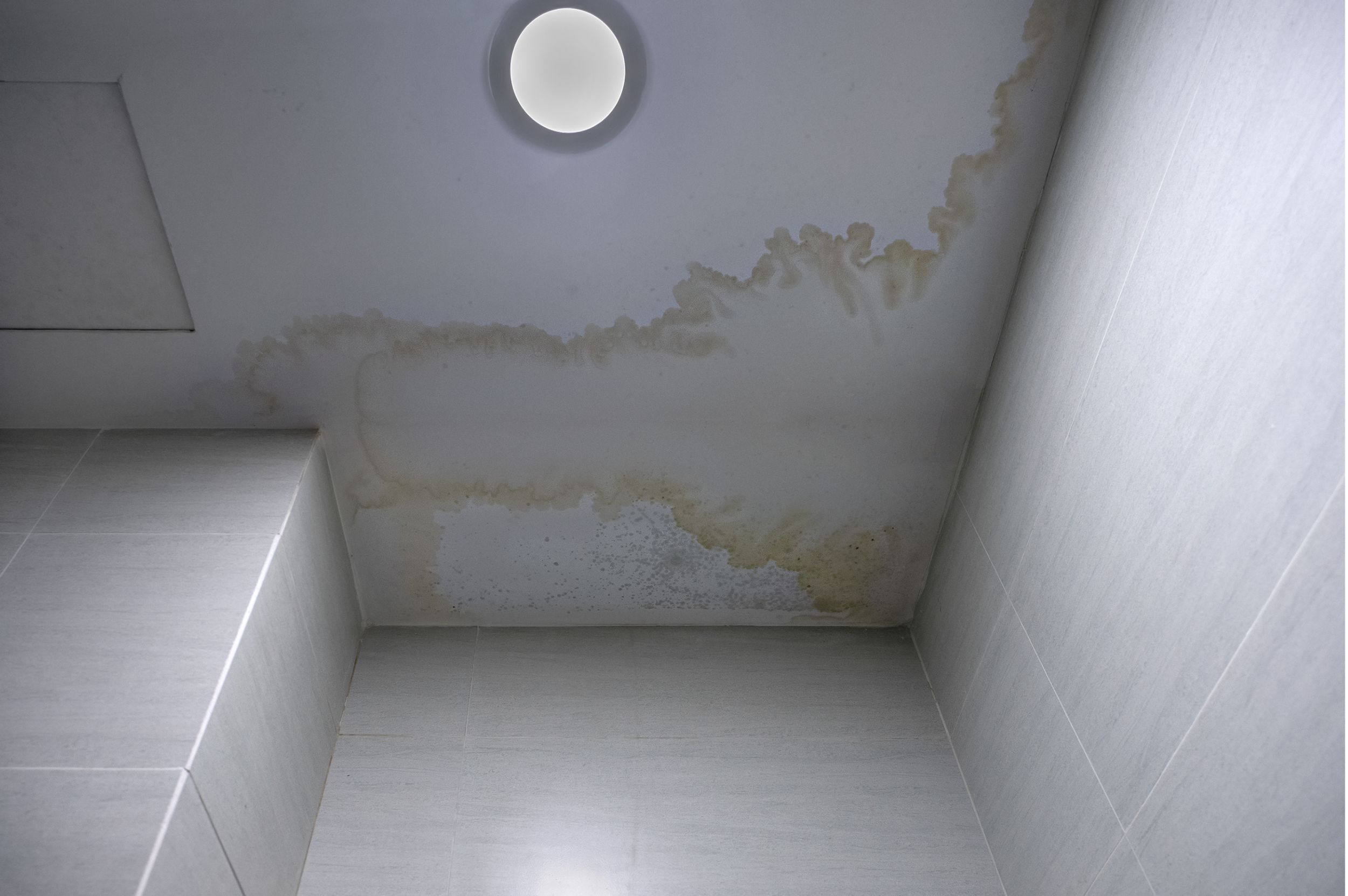
Water stains or musty odors may indicate a hidden plumbing leak inside the home.
How to Prevent Plumbing Leaks
A few simple maintenance habits can go a long way in reducing the risk of plumbing leaks and catching small issues early.
Check hoses and connections every 6 to 12 months → Look for signs of wear such as cracks, bulging, or loose fittings, especially behind appliances like washing machines and dishwashers
Replace rubber washing machine hoses every few years → Rubber hoses can weaken over time; upgrading to stainless steel braided hoses can provide added durability and peace of mind
Inspect under sinks and around appliances regularly → Take a quick look for moisture, corrosion, or small drips that could indicate a developing leak
Monitor your water bill for unexpected changes → A higher-than-normal bill is often one of the first signs that something isn’t quite right
Building these habits into your routine doesn’t take much time, but it can make a big difference in preventing water damage and avoiding costly repairs.
Staying proactive helps ensure your plumbing system continues to run efficiently and gives you the opportunity to address issues before they turn into bigger problems.
When to Call a Plumber
While some minor issues can be addressed with simple fixes, there are times when it’s best to bring in a professional to properly assess what’s going on.
It may be time to call a plumber if:
You’ve confirmed a leak but aren’t sure how to fix it → What looks like a small issue can sometimes be part of a larger problem within your plumbing system
Your water bill continues to rise without explanation → Ongoing increases often point to a hidden leak that isn’t easily visible
You notice water stains, musty smells, or reduced water pressure → These can be signs of moisture buildup or leaks occurring behind walls or under floors
A leak is coming from behind walls, ceilings, or appliances → These situations typically require professional tools and expertise to safely locate and repair
In many cases, the earlier a leak is identified, the easier and more affordable it is to fix.
Having a licensed plumber take a closer look can help pinpoint the source of the issue, prevent further damage, and give you peace of mind knowing your plumbing system is functioning properly.
Need Help Finding a Leak?
Small plumbing leaks can quickly turn into bigger (and more expensive) problems if left untreated. What starts as a slow drip or minor issue can lead to higher utility bills, water damage, and more involved repairs over time.
Addressing concerns early not only helps protect your property, but can also save you time, stress, and unnecessary costs down the line.
If something feels off or your water bill doesn’t quite make sense, it’s worth taking a closer look. Even if you’re unsure whether there’s a problem, having a professional assess your system can provide clarity and peace of mind.
Mass Pike Plumbing & Heating provides leak detection, plumbing repairs, and preventative maintenance for homeowners and business owners throughout Massachusetts. Whether it’s a visible issue or something harder to track down, our team can help identify the source and recommend the next best steps.
Our goal is to make the process straightforward, transparent, and focused on keeping your plumbing system running efficiently year-round.
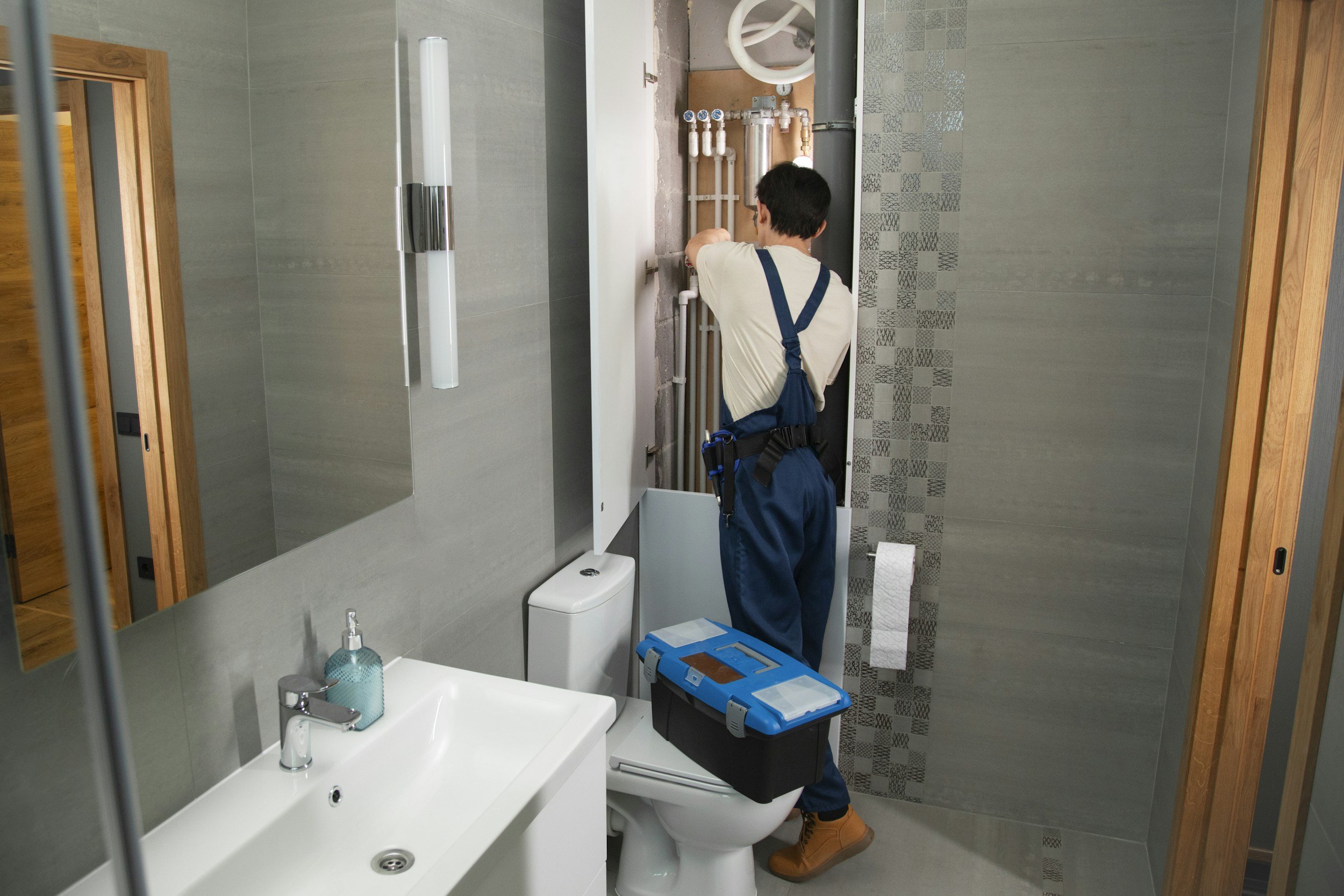
If your water bill keeps rising or something doesn’t feel right, a professional inspection can help identify hidden plumbing issues early.
FREQUENTLY ASKED QUESTIONS
How do I know if I have a hidden plumbing leak?
Common signs include unexplained increases in your water bill, musty odors, water stains on walls or ceilings, or reduced water pressure.
Can a small leak really raise my water bill?
Yes. Even a slow leak can waste a significant amount of water over time, which can lead to noticeable increases in your monthly bill.
What is the most common cause of a high water bill?
One of the most common causes is a running or leaking toilet, followed by dripping faucets and hidden pipe leaks. These issues can often go unnoticed but continuously waste water.
When should I call a plumber for a possible leak?
If your water bill increases without explanation, you notice signs of water damage, or you suspect a leak you can’t locate or fix, it’s best to have a professional inspect your plumbing system.
Important Note
This information is intended as general guidance for homeowners and business owners. Plumbing systems and conditions can vary depending on building type, fixture, and local enforcement of the Massachusetts Uniform State Plumbing Code (248 CMR).
If you suspect a leak or notice changes in your water usage, it’s important to have your plumbing system properly evaluated. Repairs and inspections should always be performed by a licensed Massachusetts plumber, and property owners should consult their local inspector or water authority when applicable.
