
Massachusetts Spring Plumbing Checklist: What Homeowners Should Inspect After Winter
Winters in Massachusetts can be brutal. Freezing temperatures, heavy snowfall, and repeated freeze–thaw cycles put significant stress on plumbing systems. As the snow begins to melt and temperatures rise, hidden plumbing damage often starts to appear.
For homeowners and business owners alike, early spring is an ideal time to perform a spring plumbing checklist to identify potential issues before they turn into costly repairs.
Below are some common plumbing problems that can surface after winter and what you should look for around your property.
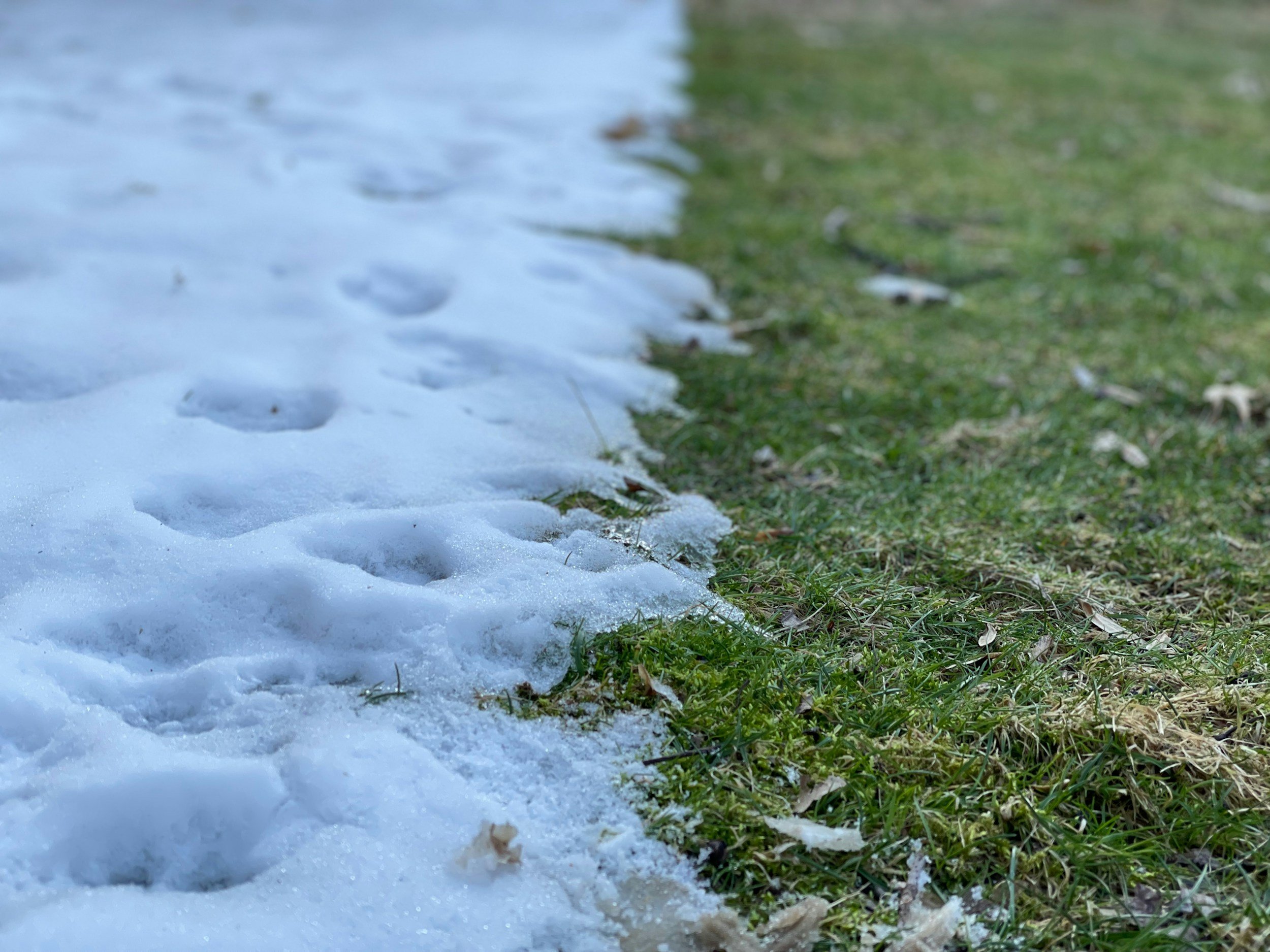
After a harsh Massachusetts winter, a seasonal plumbing check can help catch small issues before they become costly repairs.
Inspect Your Hose Bibs (Outdoor Faucets)
Outdoor faucets, also known as hose bibs or sillcocks, are among the plumbing fixtures most frequently affected by winter freezing.
Even if the outdoor water supply was turned off in the fall, small amounts of trapped water can freeze and expand inside the pipe. This can cause cracks that may not become visible until the faucet is turned on in the spring.
Signs of hose bib damage
• Water leaking inside your home when the outdoor faucet is turned on
This may indicate that the pipe behind the wall cracked during freezing temperatures and is now leaking when water pressure returns.
• Weak or inconsistent water pressure
A damaged pipe or internal crack in the hose bib can restrict water flow and reduce pressure.
• Dripping around the faucet connection
Visible dripping at the outdoor faucet often signals a worn washer, loose connection, or freeze damage.
• Water appearing on basement walls near the pipe
Moisture or staining near the indoor pipe connection can mean the pipe split during winter and is leaking inside the wall.
In Massachusetts, outdoor hose connections typically require backflow protection such as a vacuum breaker to help prevent contaminated water from flowing back into the drinking water supply. If the faucet or vacuum breaker appears damaged, it should be inspected by a licensed plumber.
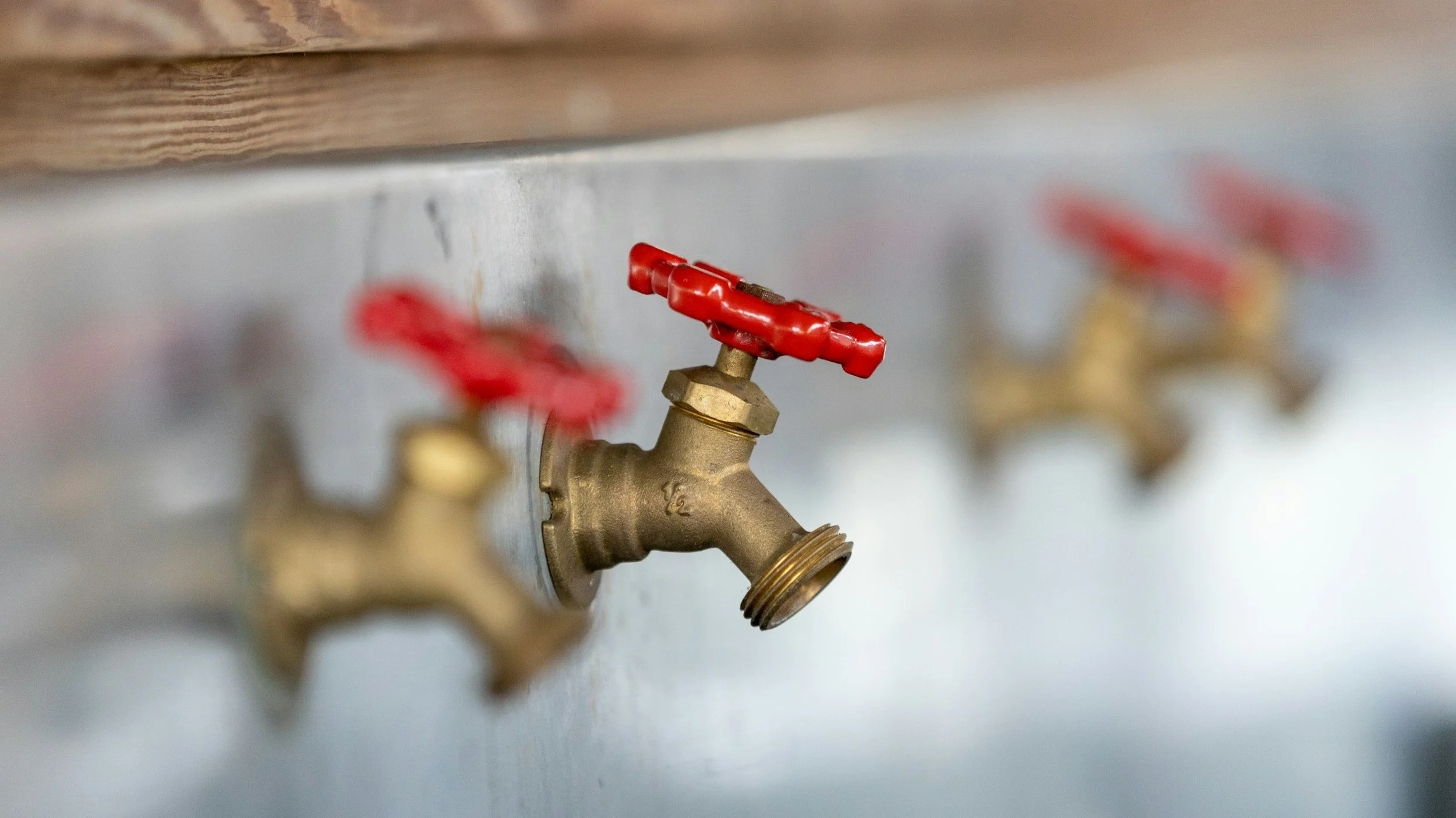
Outdoor faucets are one of the plumbing fixtures most commonly affected by freezing winter temperatures.
Check for Frozen Pipe Damage
Frozen pipes are a common winter plumbing issue throughout Massachusetts. Sometimes pipes do not burst immediately but develop small cracks that only begin leaking when water pressure returns in the spring.
Inspect exposed plumbing in areas such as:
• Basements
• Crawl spaces
• Garages
• Utility rooms
• Under sinks along exterior walls
Warning signs of pipe damage
• Water stains on ceilings or walls
Discoloration or staining can indicate a slow leak developing inside walls or ceilings.
• Musty odors near plumbing areas
A persistent musty smell often suggests hidden moisture from a slow plumbing leak.
• Damp spots around exposed pipes
Moisture on or near pipes may indicate a small crack or loose connection.
• Sudden drops in water pressure
Reduced water pressure can occur when a pipe is partially cracked or leaking somewhere in the system.
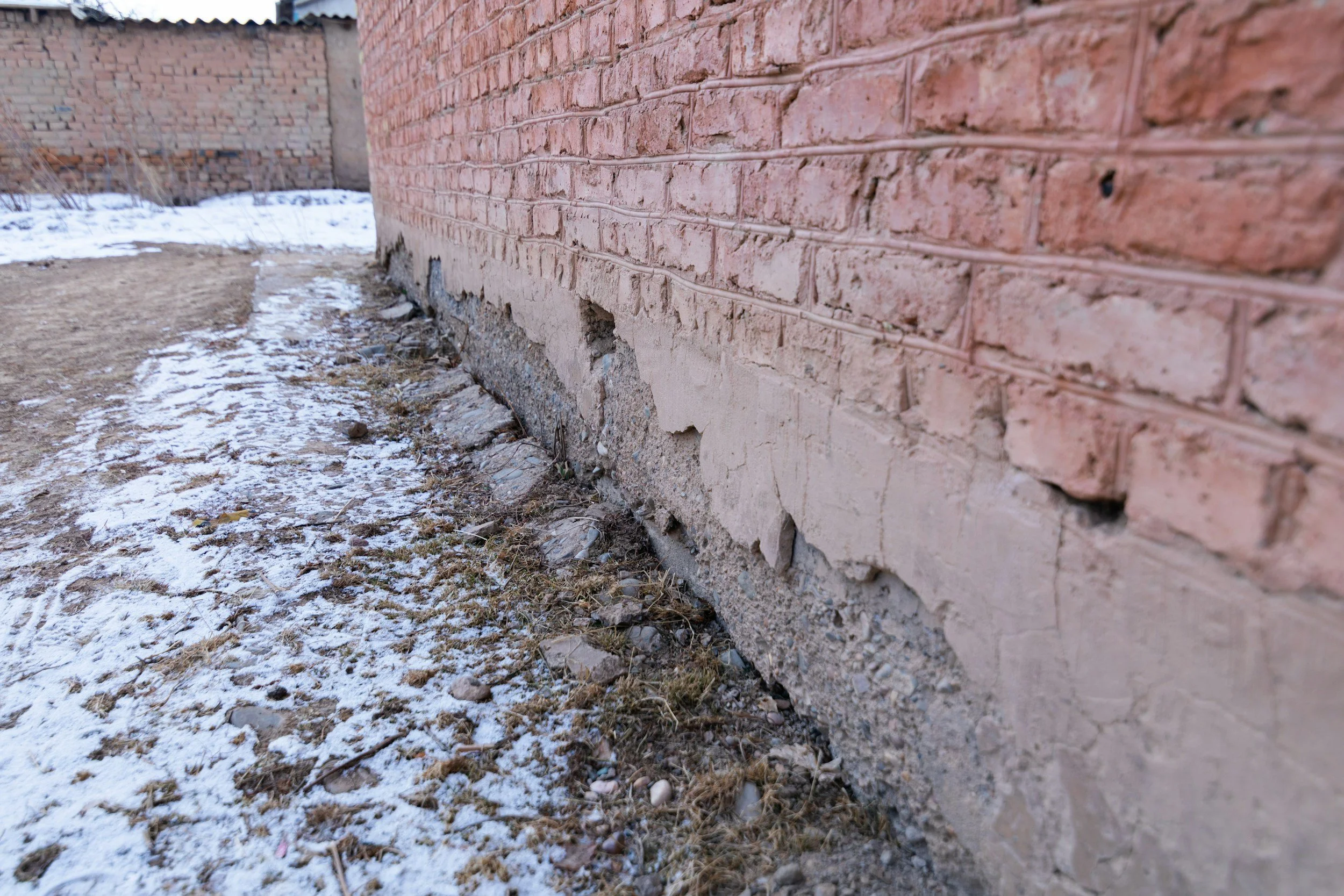
Pipes that freeze during winter may develop small cracks that begin leaking once temperatures warm up.
Test Your Sump Pump Before Spring Rains
Melting snow and seasonal rainstorms can cause groundwater levels to rise. Homes with basements often rely on sump pumps to help prevent flooding.
Testing your sump pump is simple:
Pour a bucket of water into the sump pit
Confirm that the pump activates automatically
Ensure water is discharged away from the home’s foundation
Testing the pump before heavy spring rains helps ensure it is working properly when it is needed most.
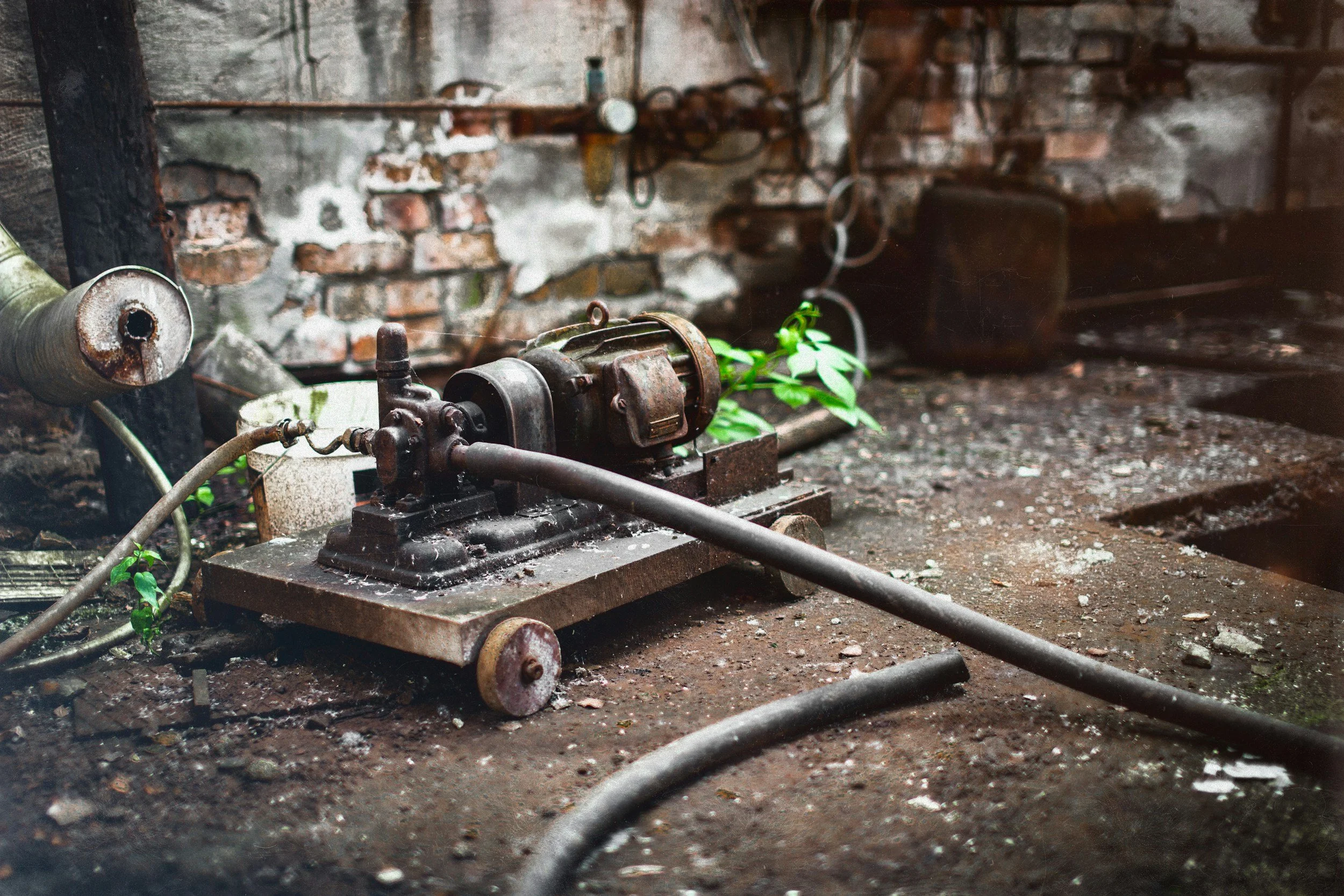
Testing your sump pump before spring rainstorms helps ensure it will activate when groundwater levels rise.
Inspect Downspouts and Outdoor Drainage
Snow melt combined with spring rain can overwhelm drainage systems if they are blocked.
What to look for
• Downspouts clogged with debris
Leaves, dirt, and ice buildup can block downspouts and prevent proper drainage away from the home.
• Water pooling near the foundation
Standing water around your home may increase the risk of basement leaks or foundation damage.
• Slow-draining outdoor drains
Blocked outdoor drains can cause water to accumulate during heavy spring rain or snow melt.
• Soil erosion around drainage areas
Erosion can occur when water is not properly directed away from the property.
Maintaining proper drainage helps reduce the risk of basement moisture or flooding.
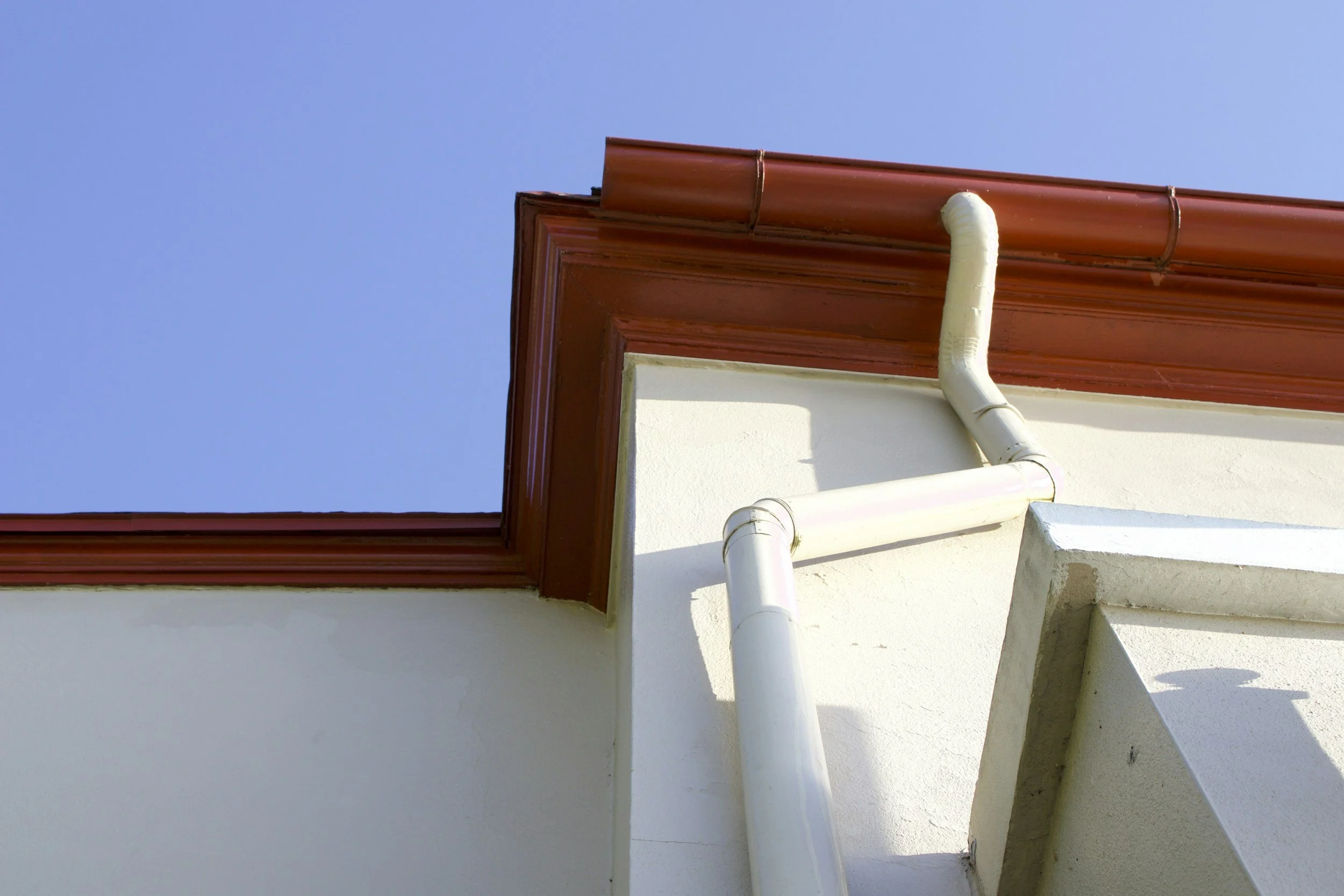
Clogged downspouts and poor drainage can cause water to pool near your foundation during spring snow melt and rain.
Look for Leaks Around Water Heaters and Appliances
Seasonal temperature changes can sometimes loosen plumbing fittings over time.
Areas to check
• Water heaters
Check around the base of the water heater for moisture, rust, or puddles that may indicate a leak.
• Washing machines
Inspect the hoses and connections for drips or corrosion that could lead to water damage.
• Dishwashers
Look for damp areas under or around the appliance that may signal a slow leak.
• Utility sinks
Check supply lines and drain pipes for signs of dripping or loose connections.
• Refrigerator water lines
Small supply lines connected to refrigerators can loosen over time and begin leaking.
Even small leaks can lead to water damage if they go unnoticed.
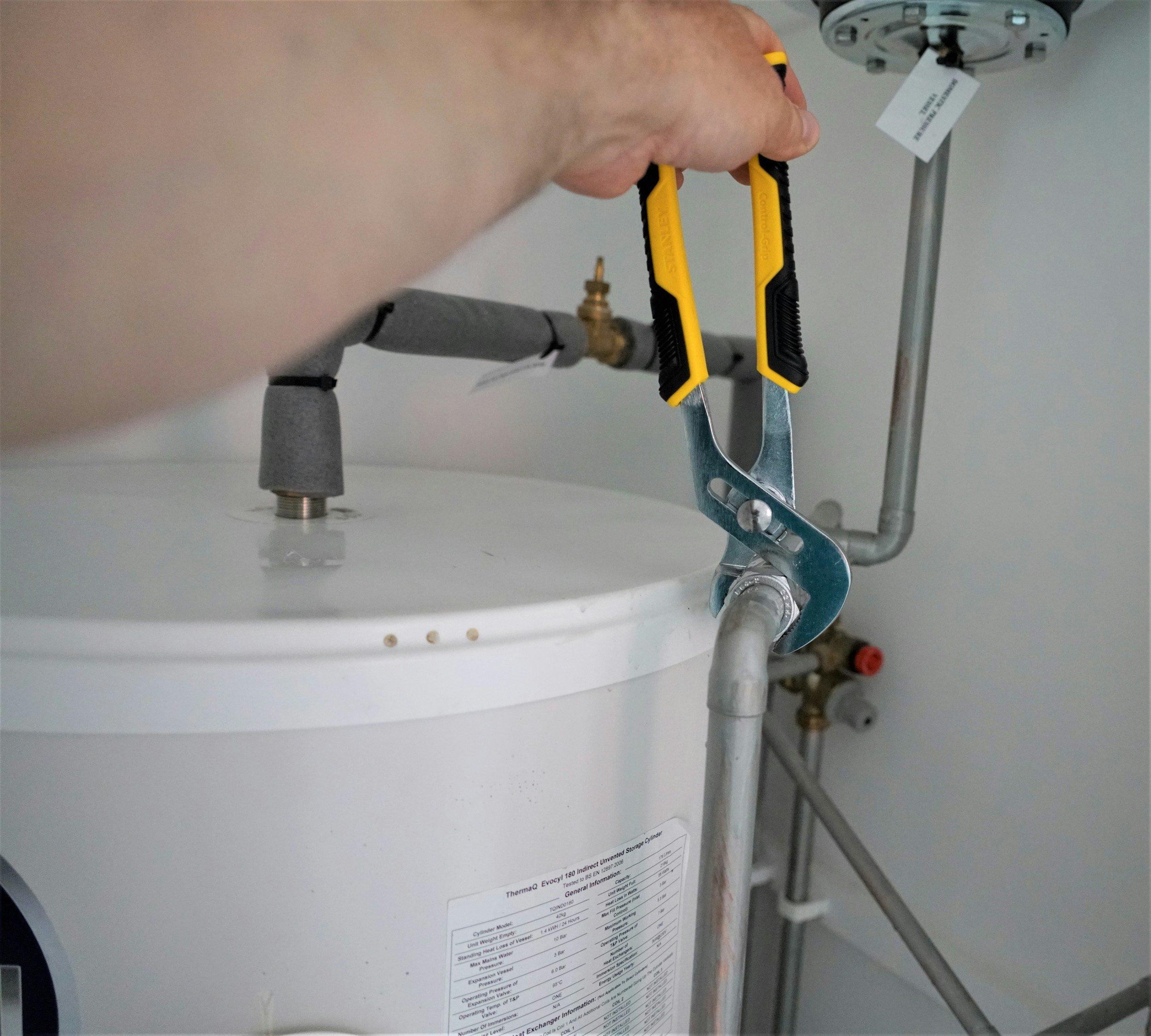
Small leaks around water heaters and household appliances can go unnoticed and cause significant water damage over time.
Check Washing Machine Hoses
Washing machine supply hoses can weaken over time and should be inspected periodically.
• Bulging or swelling
Bulges in rubber hoses often indicate internal weakening that can lead to a sudden burst.
• Cracks in rubber lines
Visible cracks suggest the hose material has deteriorated and should be replaced.
• Rust at connection points
Corrosion around hose fittings can weaken connections and cause leaks.
Many homeowners choose stainless steel braided hoses, which tend to be more durable than standard rubber hoses.
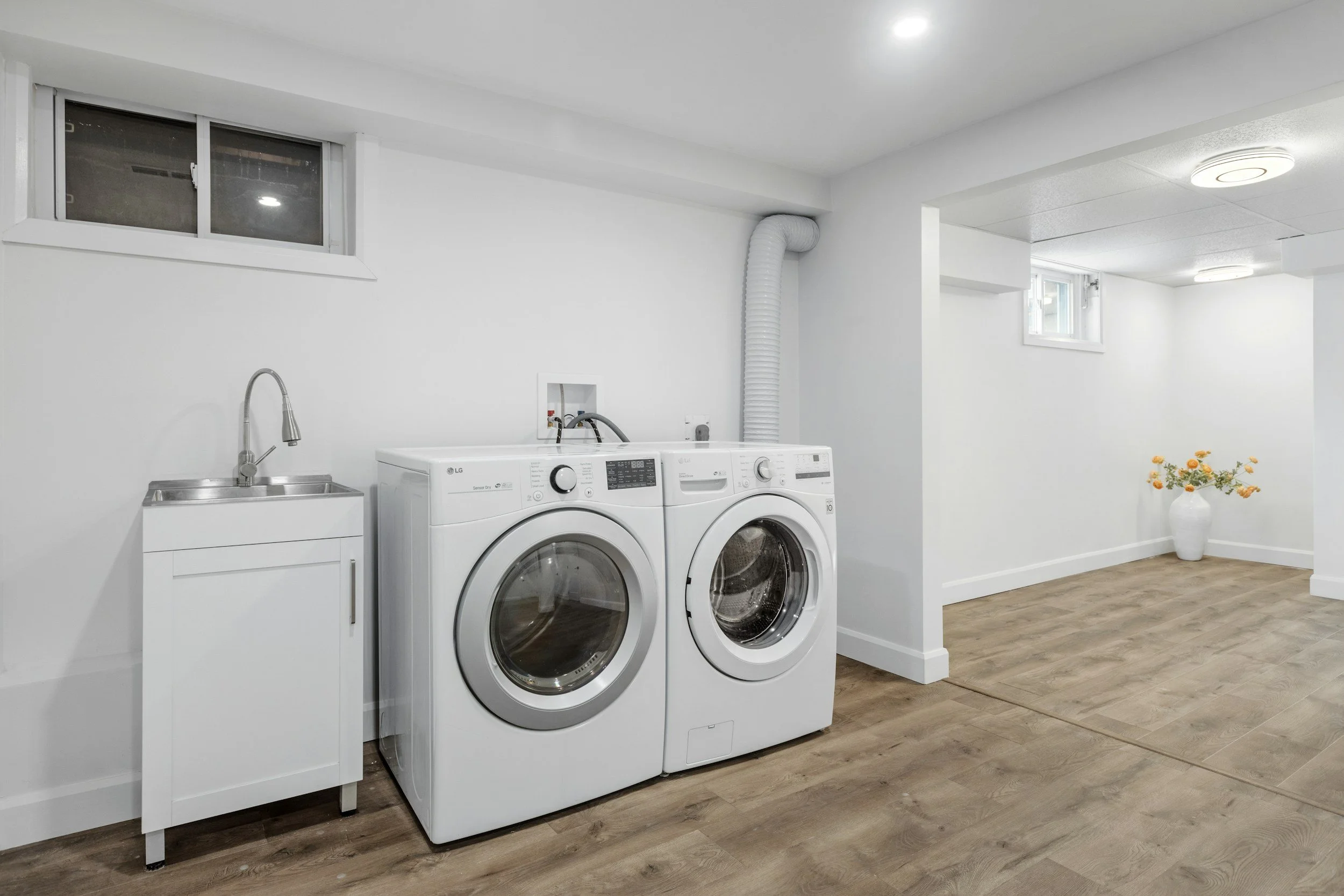
Inspect washing machine hoses for cracks, bulging, or corrosion, as worn hoses can burst and cause sudden water damage.
Check for Leaking Toilets
Toilet leaks are often silent and easy to overlook. Even a small leak can waste a surprising amount of water over time.
A simple test homeowners can perform:
Add several drops of food coloring to the toilet tank
Wait about 10–15 minutes without flushing
If color appears in the bowl, the toilet may have a leak
Often the issue can be resolved by replacing internal components such as the flapper or fill valve.
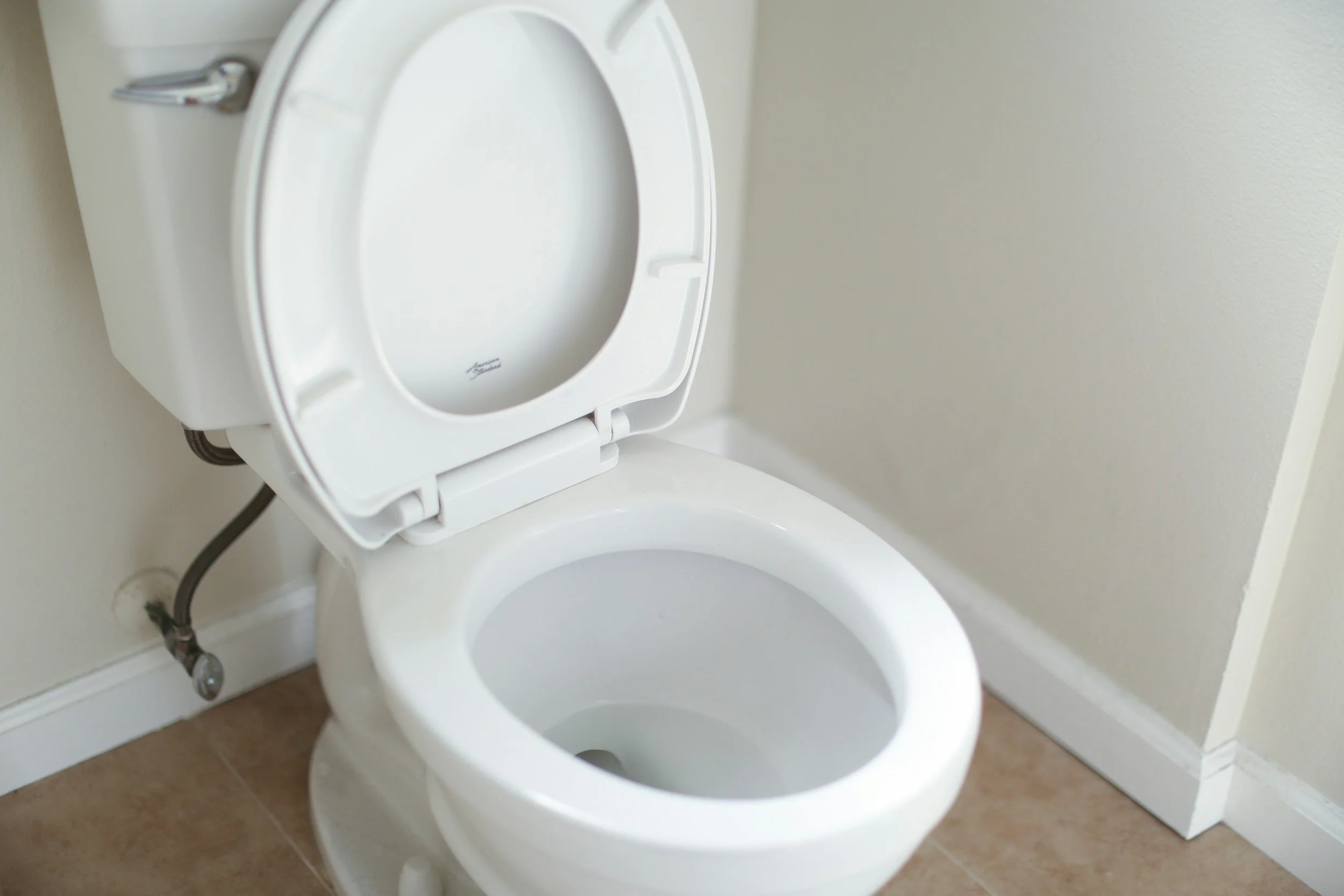
Toilet leaks are often silent, but even a small leak can waste a surprising amount of water over time.
Inspect Shut-Off Valves
Spring is a good time to confirm that plumbing shut-off valves still function properly.
• Toilets
Ensure the valve turns smoothly so you can quickly stop water flow if a leak occurs.
• Sink supply lines
Confirm the shut-off valve operates properly and does not leak when turned on.
• Washing machines
Check that both hot and cold water valves function correctly and are free from corrosion.
• Outdoor hose bib shutoffs
Testing the indoor shut-off valve for outdoor faucets ensures you can isolate the line if needed.
Having working shut-off valves can help minimize damage if a plumbing leak occurs.
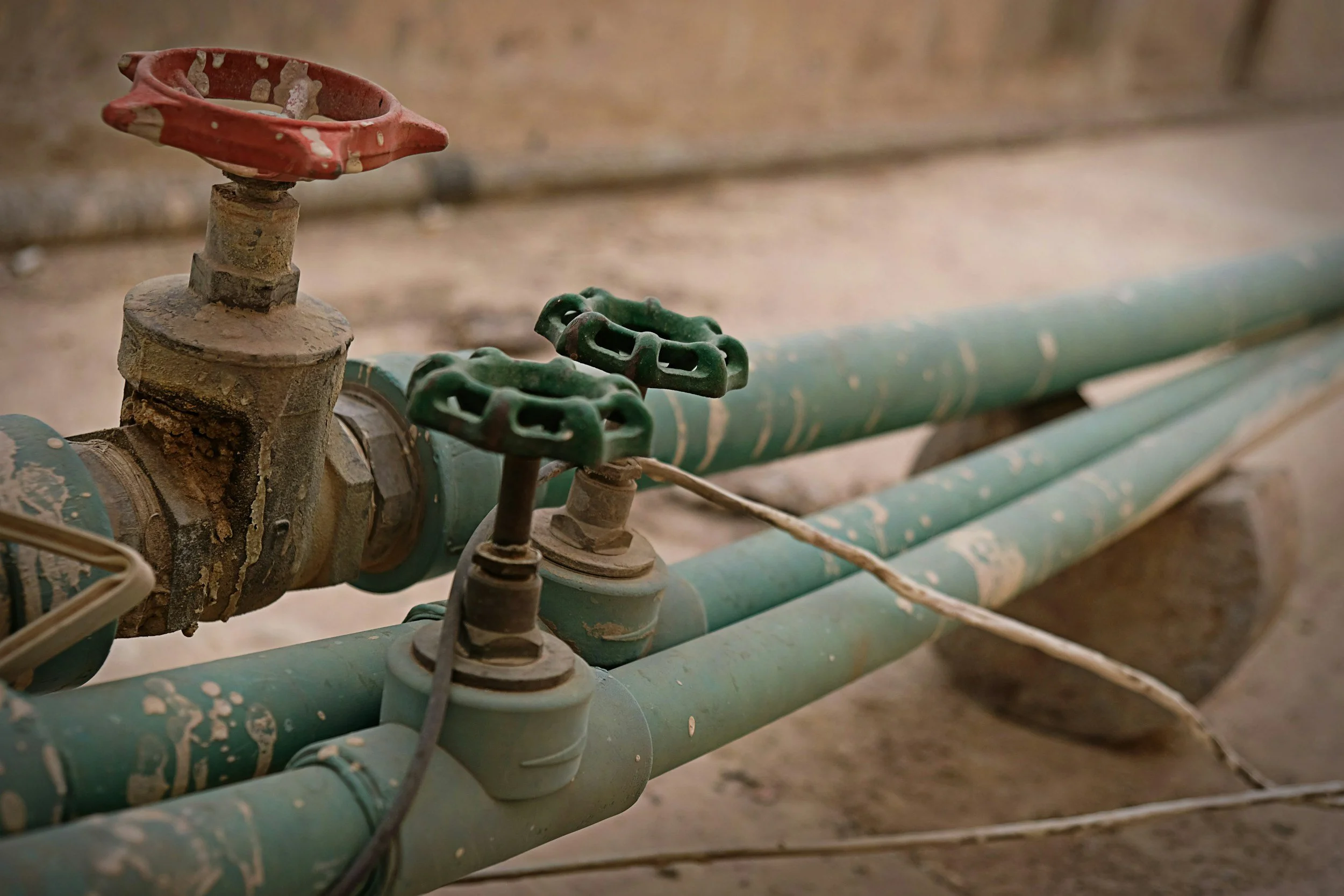
Checking that shut-off valves operate properly allows you to quickly stop water flow in the event of a plumbing leak.
Watch for Possible Underground Pipe Issues
In some areas, freeze–thaw cycles can cause ground movement during the winter months. In older properties, this movement may occasionally contribute to underground plumbing issues.
Possible warning signs
• Unexpected drops in water pressure
A sudden pressure change can sometimes indicate a leak or disruption in an underground water line.
• Unusually wet areas in the yard after snow melt
Persistent wet patches may signal water escaping from a buried pipe.
• Ground that remains soggy for extended periods
If the soil stays wet long after snow has melted, there may be an underground plumbing problem.
If these conditions persist, a plumber may need to investigate further.
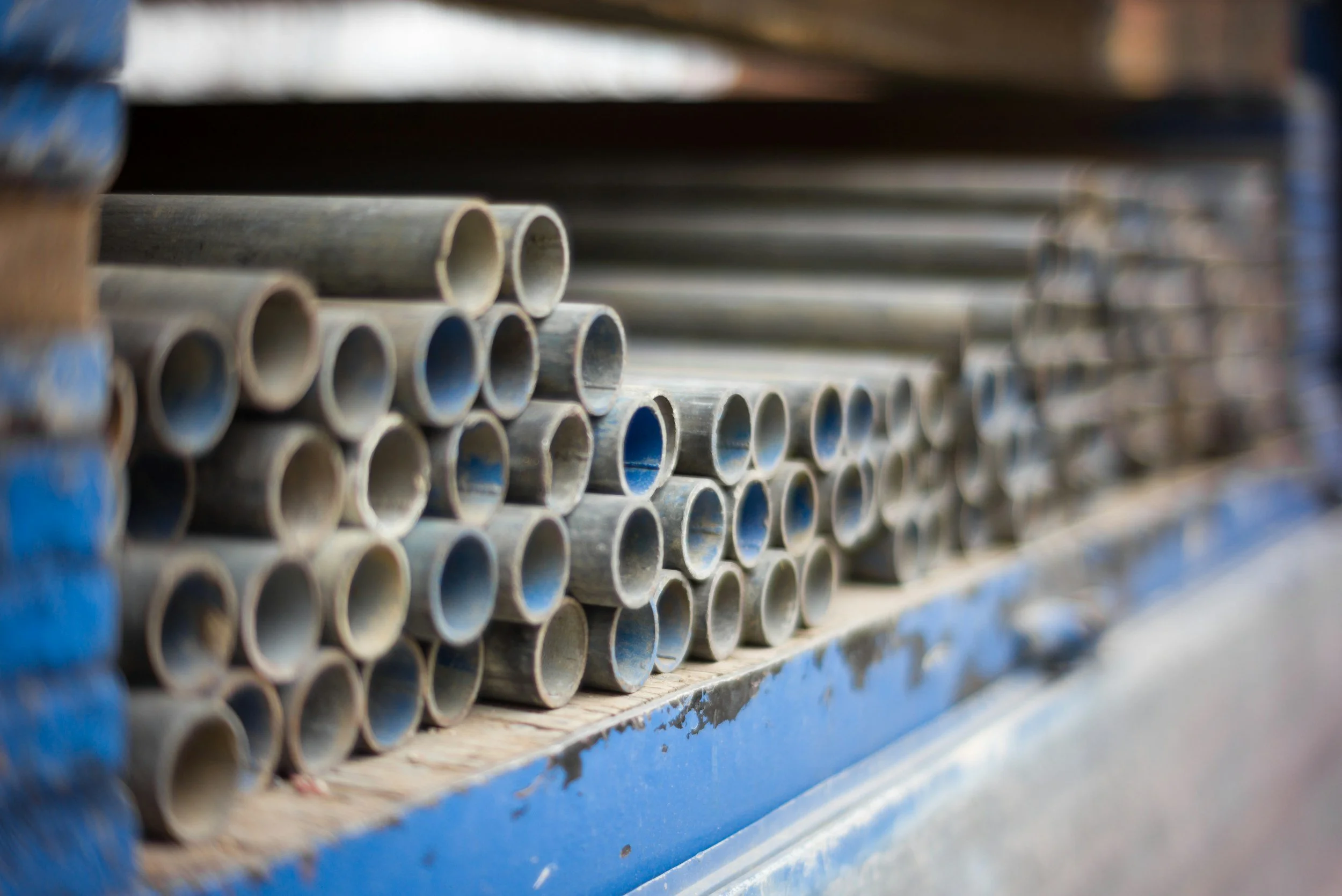
Freeze–thaw cycles can shift the ground during winter, sometimes affecting underground plumbing lines.
Inspect Irrigation Systems and Backflow Devices
Homes and commercial properties with irrigation systems should inspect outdoor plumbing components before turning systems back on for the season.
• Irrigation lines
Frozen water inside irrigation pipes can cause cracks that appear once the system is turned back on.
• Outdoor hydrants
These fixtures may experience freeze damage if water remained inside during winter.
• Backflow prevention devices
Backflow devices should be inspected to ensure they are functioning properly and protecting the water supply.
Depending on the system and local water authority requirements, some backflow assemblies may require inspection or certified testing.
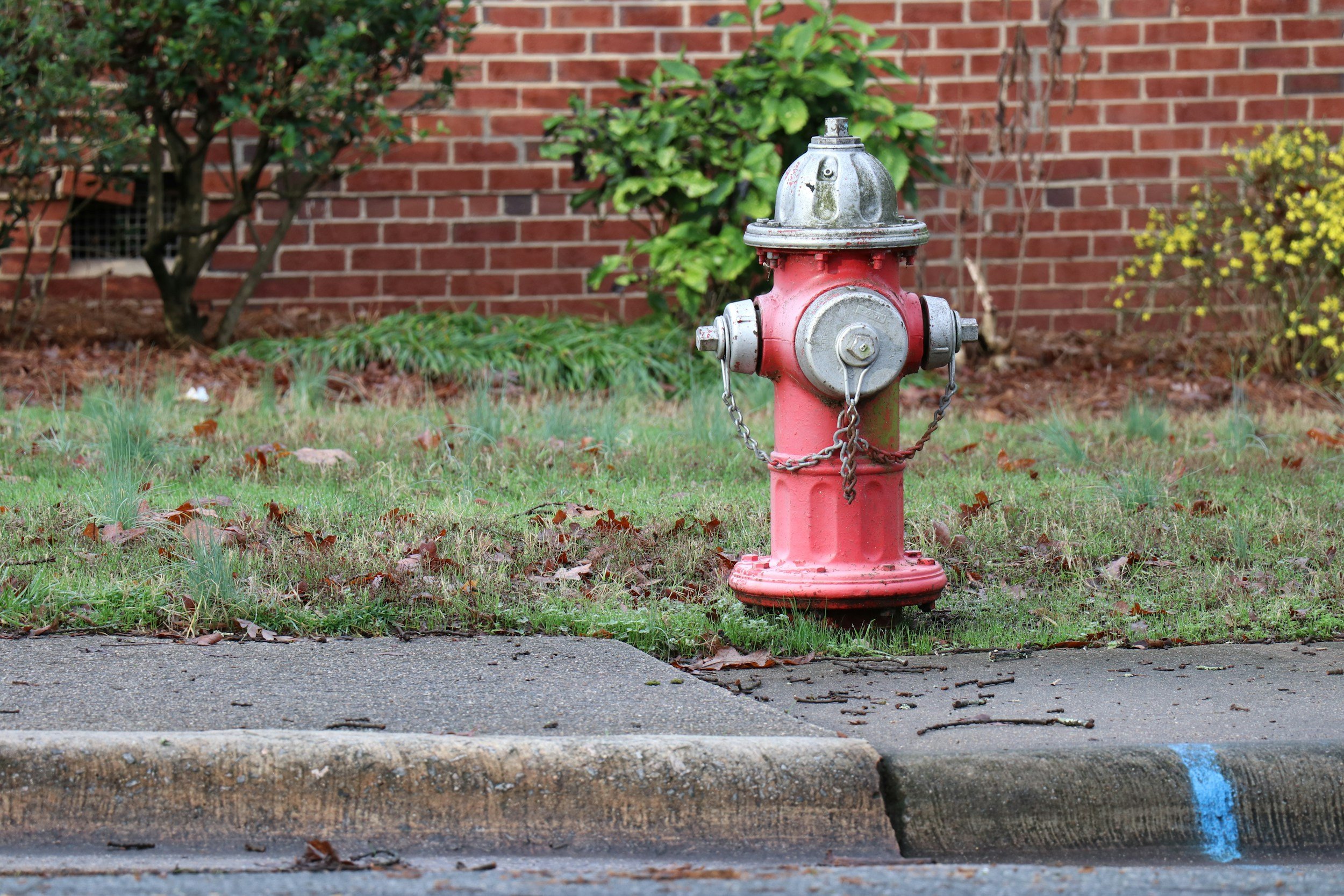
Irrigation lines and backflow prevention devices should be inspected in spring to check for damage caused by freezing temperatures.
When Should You Call a Plumber?
While homeowners can perform basic inspections, some plumbing issues require professional attention.
• Water leaking inside walls when outdoor faucets are turned on
This often means a pipe behind the wall cracked during winter freezing.
• Persistent drops in water pressure
Ongoing pressure issues may indicate a hidden leak or damaged pipe.
• Water pooling near your foundation
Standing water near the home may signal drainage problems or underground leaks.
• Unexplained increases in your water bill
A sudden spike in water usage can point to a hidden leak in the plumbing system.
• Signs of pipe leaks or corrosion
Visible corrosion or moisture around pipes should be addressed before it worsens.
Addressing problems early can often prevent more costly repairs later.
Why Spring Plumbing Inspections Matter in Massachusetts
The combination of freezing winters and rapid spring thaws can place considerable stress on plumbing systems in Massachusetts.
Performing a spring plumbing inspection in Massachusetts can help identify winter-related damage early and reduce the likelihood of unexpected plumbing emergencies.
Routine seasonal inspections are a helpful step toward protecting your home, preventing water damage, and maintaining a reliable plumbing system year-round.
Need Help With Spring Plumbing Repairs?
If you suspect winter may have caused damage to your plumbing system, having it inspected sooner rather than later can help prevent small problems from becoming larger repairs.
Mass Pike Plumbing & Heating provides plumbing inspections, repairs, and preventative maintenance for homes and businesses throughout Massachusetts.
Our team is here to help keep your plumbing system running smoothly through every season.
If you notice leaks, low water pressure, or unexplained moisture, it may be time to have a licensed plumber take a closer look.
Frequently Asked Questions
Why is my outdoor faucet leaking after winter?
Outdoor faucets can crack when trapped water freezes inside the pipe. The damage may not appear until the faucet is turned on in the spring.
Can pipes start leaking after winter ends?
Yes. Pipes that experienced freezing temperatures may develop small cracks that only become visible when water pressure increases during warmer weather.
How do I know if a pipe froze during winter?
Common signs include water stains on walls, reduced water pressure, or damp areas around exposed plumbing.
Should plumbing be inspected after snow melts?
Spring is a good time to check plumbing systems for potential winter damage and address issues before they worsen.
Important Note
This checklist is intended as general seasonal guidance for Massachusetts property owners. Plumbing requirements may vary depending on building type, fixture, and local enforcement of the Massachusetts Uniform State Plumbing Code (248 CMR).
Repairs and code-related work should always be performed by a licensed Massachusetts plumber, and property owners should consult their local inspector or water authority when applicable.
